
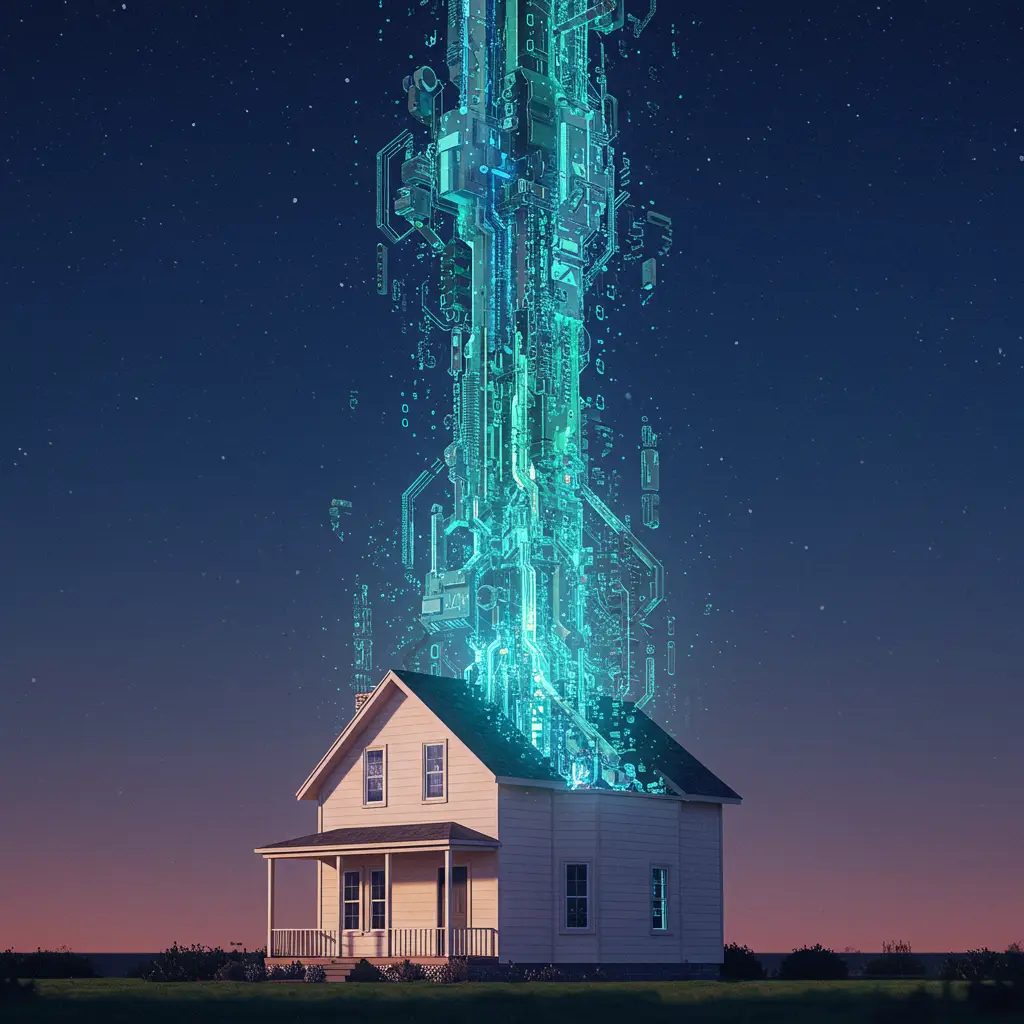
Sarah has 47,392 unread emails in her inbox. Her phone storage is perpetually full with 23,000 photos she’s “meaning to organize.” Her computer desktop is cluttered with hundreds of unnamed files and folders nested within folders. She downloads every article “to read later” and saves every receipt, just in case. She can’t find anything when she needs it, but the thought of deleting anything fills her with anxiety.
Sarah is a digital hoarder.
Unlike traditional hoarding, which fills physical spaces with newspapers, boxes, and possessions until homes become unlivable, digital hoarding happens invisibly. There’s no smell, no fire hazard, no concerned neighbors calling adult protective services. But the psychological drivers are strikingly similar, and the impact on daily functioning, stress levels, and emotional well-being can be just as significant.
By 2026, as unlimited cloud storage has become the norm and our entire lives exist in digital form, digital hoarding has evolved from a curious phenomenon into a widespread psychological challenge affecting millions. Understanding why we hoard digitally—and what it means for our mental health and digital legacies—has never been more important.
What Exactly Is Digital Hoarding?
Digital hoarding is defined by researchers as an emerging sub-type of hoarding disorder characterized by individuals collecting excessive digital material which leads to those individuals experiencing stress and disorganization. This phenomenon involves an uncontrolled need to store digital objects—photographs, emails, messages, web pages, documents, and other binary files—combined with marked difficulty deleting them, ultimately affecting daily functioning.
How It Differs from Normal Digital Accumulation
Everyone accumulates digital files. The distinction between normal digital behavior and digital hoarding lies in:
Volume Beyond Reasonable Use – Tens of thousands of unread emails – Hundreds of thousands of photos with no organization system – Multiple copies of the same files across various locations – Downloads folders with years of accumulated content never accessed
Inability to Discard – Significant anxiety when considering deletion – Elaborate justifications for keeping everything – “What if I need this someday?” applied to virtually everything – Paralysis when faced with organizing or culling decisions
Negative Impact on Functioning – Difficulty finding important information when needed – Missed appointments or deadlines due to lost emails – Slow computer/device performance from storage overload – Time wasted searching through digital clutter – Anxiety and stress related to digital disorganization
Emotional Distress – Guilt about the unmanageable accumulation – Shame about the state of digital spaces – Procrastination and avoidance of digital tasks – Relationship strain when hoarding affects shared devices or accounts
Research shows that digital hoarding can affect the performance of daily tasks, disrupt sleep patterns, and decrease psychological well-being by creating nervousness, distress, frustration, stress, or anxiety.
What Do We Hoard?
Digital hoarders may collect emails, photos, articles, podcasts, or any type of computer files they believe they may want to revisit in the future. Recent research reveals the most commonly hoarded digital items:
1. Emails (The Most Common)
Emails continue to be a commonly hoarded information item type. People hoard: – Work emails “for documentation purposes” – Promotional emails they’ll “unsubscribe from later” – Newsletters they “plan to read eventually” – Old conversations they’re “not ready to delete” – Receipts and confirmations from purchases years ago
The average digital hoarder has thousands—sometimes tens of thousands—of unread emails, creating an ever-present source of stress every time they open their inbox.
2. Photographs
The shift from film to digital photography removed natural limitations. The large number of photos stored fits with earlier work on personal versus work-based digital hoarding. People now take hundreds of photos of the same event, keeping every blurry shot, every duplicate, every near-identical angle “just in case.”
Digital photo hoarding includes: – Screenshots of things “to remember later” – Memes and social media images saved repeatedly – Multiple nearly-identical photos from the same moment – Photos from devices of deceased family members, unreviewed – Years of photos never organized, tagged, or viewed again
3. Downloads and Documents
The Downloads folder becomes a digital junk drawer containing: – PDFs opened once and forgotten – Installation files for software long since installed – Old résumés and cover letters from previous job searches – Tax documents from a decade ago – Articles saved to read “when there’s time”
4. Browser Tabs and Bookmarks
Some digital hoarders maintain: – Dozens or hundreds of open browser tabs – Thousands of bookmarks never organized into folders – “Read Later” lists that never get shorter – Multiple browsers with different tab collections
5. Apps, Music, and Media
- Apps downloaded once and never opened
- Music files from outdated libraries
- Videos and podcasts queued but never consumed
- Streaming service watchlists that grow longer than humanly viewable
The Psychology: Why Do We Hoard Digitally?
Digital hoarding stems from complex psychological factors, many mirroring traditional hoarding but amplified by technology’s unique characteristics.
1. Fear and Anxiety
“What if I need it someday?” This classic hoarder’s thought process becomes even more powerful in digital contexts because: – Storage feels infinite (it’s not, but it feels that way) – There’s no immediate physical consequence to keeping things – Search functions theoretically let us find anything later (even if we never actually can) – The cost of keeping seems lower than the risk of deleting
Information FOMO The fear of missing out extends to information—what if deleting this article means missing knowledge that could be crucial later? What if this email contains information I’ll need years from now?
Decision Paralysis Faced with thousands of items to sort through, the task feels overwhelming, so people avoid it entirely, leading to continued accumulation.
2. Emotional Attachment
Digital Objects as Memory Anchors Every photo, email, or file becomes a repository of memory. Deleting the file feels like deleting the memory itself, even when that’s objectively untrue.
Maintaining Connection Keeping emails from deceased loved ones, old text message threads, or voicemails becomes a way of maintaining connection. The digital remnants feel like presence.
Identity Preservation Old documents, photos, and files represent who we were. Deleting them can feel like erasing parts of our identity or personal history.
3. Perfectionism
Research has highlighted the moderating effect of maladaptive perfectionism on the association between emotional attachment and digital hoarding behavior. Individuals with higher levels of maladaptive perfectionism exhibit amplified digital hoarding tendencies when emotionally attached to their digital data.
The Perfect Organization System Many digital hoarders believe they’ll eventually create the perfect filing system, the ideal organizational structure. They keep everything because they plan to organize it “properly” later—but that perfect system never materializes.
All-or-Nothing Thinking “If I can’t organize all 40,000 photos properly, I won’t organize any of them.” This thinking pattern prevents incremental progress.
Productivity Guilt Every saved article or downloaded file represents an intention to be productive, to learn, to improve. Deleting them means admitting those intentions won’t be fulfilled—a blow to the perfectionist self-image.
4. Lack of Physical Constraints
Traditional hoarding eventually hits physical limits—rooms fill up, houses become unlivable. Digital hoarding faces no such natural boundaries:
Infinite-Seeming Storage Cloud storage plans offer terabytes of space. External hard drives are cheap. The lack of immediate consequences makes accumulation feel consequence-free.
“Out of Sight, Out of Mind” Unlike physical clutter visible every day, digital clutter remains hidden in folders and inboxes. The problem only becomes apparent when searching for something specific or when storage limits are finally reached.
Easier to Accumulate Than Organize Saving a file takes one click. Organizing it properly takes time, attention, and decision-making energy—resources chronically in short supply.
5. Productivity Culture and Information Overload
Modern work culture rewards being informed, responsive, and prepared. Digital hoarding can feel like:
Professional Due Diligence Keeping every work email and document feels like protecting yourself against future needs or conflicts.
Optimization Anxiety “If I delete this, will I miss an opportunity? Will I appear uninformed? Will I be unprepared?”
The Impossible Ideal of Total Recall We’ve been sold the promise that digital tools give us perfect memory and total information retrieval. Hoarding feels like fulfilling that promise.
The Consequences: How Digital Hoarding Affects Our Lives
While digital hoarding may seem harmless compared to traditional hoarding, the impacts are real and measurable.
1. Cognitive and Time Costs
Time Wasted Searching Hours spent looking for that one email, that specific photo, that important document buried in digital clutter.
Decision Fatigue Every glance at an overflowing inbox or cluttered desktop requires mental energy to process—energy depleted before starting actual work.
Reduced Productivity Slow devices, difficulty finding information, and mental clutter all reduce work efficiency.
2. Emotional and Psychological Impact
Chronic Low-Level Stress The knowledge that digital chaos lurks just a click away creates persistent background anxiety.
Guilt and Shame “I should clean this up” becomes a constant mental refrain, adding to guilt about unfinished tasks.
Avoidance Behaviors People avoid opening email or looking at photo libraries because doing so is emotionally overwhelming.
Sleep Disruption Studies show digital hoarding can disrupt sleep patterns, as nighttime becomes associated with anxious thoughts about digital tasks.
3. Relationship Strain
Shared Device Conflicts When families share computers, tablets, or cloud storage, one person’s hoarding affects everyone.
Communication Problems Missed emails or messages buried in digital clutter can damage personal and professional relationships.
Digital Legacy Burden The ultimate consequence: family members inheriting thousands of unorganized photos, emails, and files with no guidance on what matters.
4. Security and Privacy Risks
Outdated Sensitive Information Old financial documents, passwords stored in emails, and outdated personal information create security vulnerabilities.
Difficult Incident Response When accounts are hacked or data breaches occur, sorting through hoarded digital content to assess damage becomes nearly impossible.
Breaking the Cycle: Addressing Digital Hoarding
Recovery from digital hoarding is possible, but like all behavioral change, it requires understanding the psychological roots and building new habits.
1. Recognize the Pattern
Self-Assessment Questions: – Do you feel anxiety when considering deleting digital files? – Can you easily find important information when you need it? – Does your digital clutter cause stress or affect your daily functioning? – Do you spend significant time managing (or avoiding) digital organization? – Has anyone expressed concern about your digital accumulation?
2. Challenge the Cognitive Distortions
“I might need this someday” Reality check: When was the last time you actually needed something from your hoard? Probably rarely or never.
“Storage is unlimited” Truth: Storage has limits (financial, technical, cognitive). Everything has a cost.
“I can’t delete this memory” Fact: The memory exists in your mind. The file is not the memory.
“I’ll organize it perfectly later” Evidence: Later never comes. Good enough is better than perfect.
3. Start Small with Clear Rules
The “Inbox Zero” Adapted Approach: – Set a number you can maintain (maybe “inbox 50” is more realistic) – Delete promotional emails immediately – Unsubscribe ruthlessly – Use filters to auto-archive low-priority messages
Photo Management Rules: – Delete duplicates and blurry photos immediately after events – Use “favorites” to mark the best shots – Accept that you won’t perfectly organize 20 years of photos—focus on current accumulation
Document Retention Policy: – Set actual retention periods (tax documents: 7 years; old résumés: delete after new job secured) – Schedule quarterly digital cleanouts like spring cleaning – Use cloud storage expiration features for temporary saves
4. Seek Professional Help
For those whose digital hoarding significantly impairs functioning or causes significant distress, professional help may be necessary:
Cognitive Behavioral Therapy (CBT) Evidence-based treatment for hoarding disorder adapts well to digital contexts.
Acceptance and Commitment Therapy (ACT) Helps people accept anxiety about deletion while acting according to values rather than fears.
Organization Specialists Some professional organizers now specialize in digital decluttering.
For Families: Supporting a Digital Hoarder
If someone you love struggles with digital hoarding:
Don’t Just “Clean It Up for Them” Like traditional hoarding, forcibly deleting someone’s files can cause trauma and damage trust.
Offer Specific, Limited Help “Can I help you sort through photos from 2020?” is better than “Let me organize your entire computer.”
Focus on Functioning, Not Perfection The goal isn’t an empty inbox—it’s being able to find important information when needed.
Be Patient Changing deeply ingrained behaviors takes time and often involves setbacks.
Digital Minimalism as Self-Care
The antidote to digital hoarding isn’t just deletion—it’s mindful curation. Digital minimalism recognizes that:
Less Is More Findable 500 carefully selected photos from a trip are more valuable than 5,000 unsorted ones.
Boundaries Create Freedom Limits on what you keep paradoxically create more space—mental and digital—for what matters.
Present Focus Over Perfect Documentation Sometimes the best way to preserve a memory is to live it fully rather than frantically photographing it.
Digital Estate Planning: The Ultimate Consequence
Perhaps the most important reason to address digital hoarding is the burden it places on survivors. When you pass away, someone will inherit: – 50,000 unread emails (Which are important? Which can be deleted?) – 200,000 photos (Which ones matter? Where to even start?) – Years of downloaded documents (What should be kept? What’s sensitive?)
UCLA Health experts note that digital hoarding is “a new version of an old psychological challenge,” amplified by modern technology’s unlimited storage capacity.
Addressing your digital hoarding now is a gift to those who will handle your digital estate—and to your own peace of mind in the present.
Conclusion: Reclaiming Digital Space and Mental Peace
Digital hoarding emerges from deeply human impulses: fear of loss, attachment to memories, desire for security, and the pursuit of an idealized organized self. These impulses aren’t shameful—they’re understandable responses to a world that generates more digital information daily than existed in all of human history before the internet age.
But understanding the psychology doesn’t make the consequences disappear. Digital hoarding creates real stress, wastes real time, and leaves real burdens for those who love us.
Recovery starts with compassion—for yourself and your very human tendency to accumulate—combined with realistic strategies that prioritize functioning over perfection. You don’t need an empty inbox or a perfectly curated photo library. You just need to be able to find what matters when it matters.
The goal isn’t to delete your digital life. It’s to curate a digital legacy that reflects what truly matters, that doesn’t overwhelm those who inherit it, and that lets you live more fully in the present rather than drowning in digital obligations from the past.
Your memories aren’t in your files. They’re in your mind and heart. The files are just tools—and tools should serve you, not enslave you.
Additional Resources
- International OCD Foundation: Hoarding Disorder
- Clutterers Anonymous: Digital Decluttering
- Professional organizers specializing in digital spaces
Sources
- UCLA Health: Digital hoarding – a new version of an old psychological challenge
- PMC: Lots of Digital Files? How Digital Hoarding Is Related to the Academic Performance of University Students
- Taylor & Francis: Digital hoarding and personal use digital data
- Therapist.com: Digital hoarding: Signs, causes, and treatment options
- PMC: Exploration of vulnerability factors of digital hoarding behavior
- Emoneeds: The Psychology of Digital Hoarding